
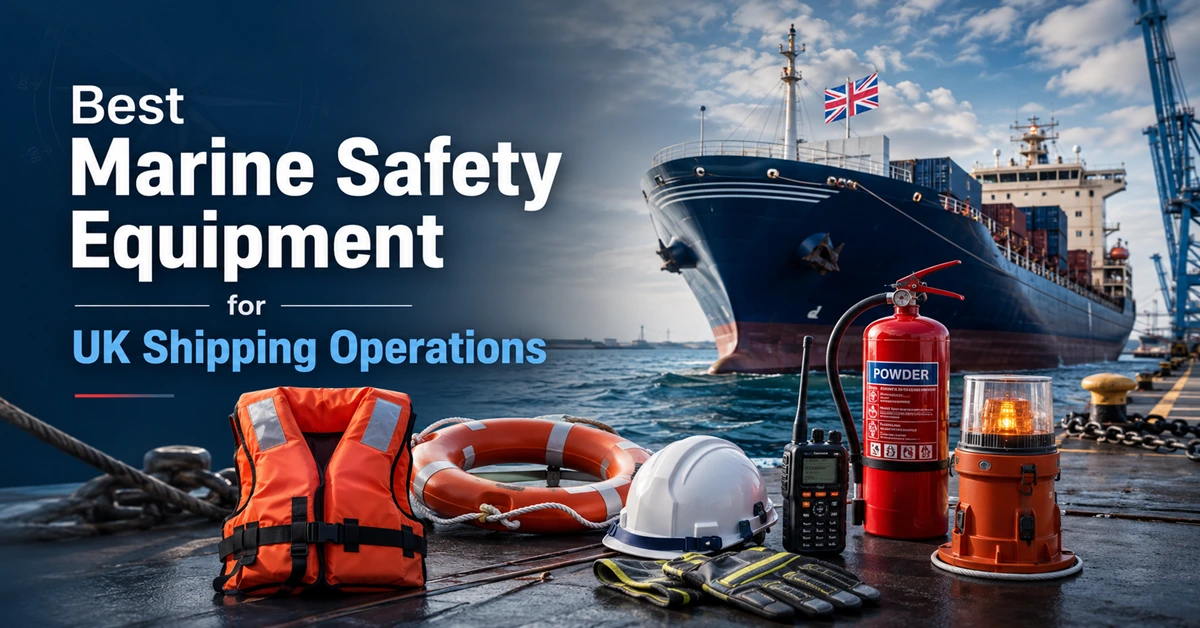
Safety is one of the biggest responsibilities in the maritime world. For UK shipping companies, it is not enough to simply have vessels in operation. Every ship, ferry, offshore craft, or commercial marine asset needs the right marine safety equipment onboard to protect people, support emergencies, and keep operations running with confidence.
The sea can be unpredictable. Weather changes fast, visibility drops without warning, equipment can fail, and emergencies often happen when least expected. That is why reliable marine safety supplies are such an important part of daily marine operations. They are not just items to keep onboard for compliance. They are practical tools that help save lives, reduce risk, and improve response times when things go wrong.
At Adec Marine, the focus is on helping UK marine businesses choose safety gear that is fit for purpose, dependable, and suited to real working conditions. From life-saving equipment to communication tools and fire safety products, the right marine safety solution can make a major difference across shipping, offshore, fishing, ferry, and port operations.
Why marine safety equipment matters so much
For anyone working at sea, safety is never a side issue. It affects the crew, the vessel, the cargo, and the entire operation. Good marine safety equipment helps teams stay prepared for emergencies, whether that means a man-overboard situation, fire risk, flooding, or the need to evacuate quickly.
For UK shipping companies, this matters even more because vessels often work in busy waters, changing weather conditions, and tightly regulated environments. Having the correct marine safety supplies onboard supports smoother operations and gives crews the confidence to do their jobs properly. It also helps operators stay ready for inspections and maintain a higher standard of safety across the board.
The core safety supplies every vessel should carry
When people think about marine safety supplies, lifejackets are usually the first thing that comes to mind, and for good reason. They are one of the most important pieces of protection onboard. In an emergency, they provide immediate buoyancy and help keep crew or passengers afloat until rescue arrives.
But lifejackets are only one part of the picture. A properly prepared vessel should also have liferafts, lifebuoys, distress beacons, fire-fighting gear, signalling devices, first aid kits, and man-overboard recovery equipment. These are the items that support a fast response when minutes matter most.
At Adec Marine, the range of marine safety equipment includes essential products such as EPIRBs, SARTs, VHF radios, radar reflectors, fire-fighting equipment, liferafts, lifebuoys, medical supplies, and recovery systems. That kind of mix is important because real marine safety is never about one product alone. It is about having the right combination of tools ready for the situation.
Lifejackets and flotation gear
Lifejackets remain one of the most important parts of any marine safety plan. They are simple, but they do a vital job. In rough waters or emergency evacuations, a well-fitted lifejacket can make all the difference.
For shipping companies and other marine operators, the key is to make sure the lifejackets are suitable for the people using them. Crew members may need different styles or specifications depending on the type of work they do. Passenger vessels, offshore craft, and fishing boats may also need different setups.
Good marine safety supplies in this category should be easy to access, properly maintained, and checked regularly. A lifejacket that is damaged, poorly fitted, or hard to reach is not going to help when an emergency happens. That is why the quality and condition of this equipment matter just as much as having it onboard in the first place.
Liferafts and evacuation equipment
If a vessel ever needs to be abandoned, liferafts become one of the most critical pieces of marine safety equipment onboard. They are designed to support survival and evacuation when staying on the vessel is no longer safe.
For UK shipping companies, liferafts should be chosen carefully based on vessel type, route, and capacity. They should be easy to deploy and properly serviced. In an emergency, there is no time to struggle with gear that has not been maintained.
This category of marine safety supplies also includes practical support items such as rescue lines, grab bags, and boarding equipment. These may seem small compared to liferafts, but they play an important role in helping people move from vessel to survival craft safely and quickly.
Communication and distress equipment
One of the smartest investments a marine business can make is in communication gear. When an emergency happens, being able to alert others quickly is often the first step toward a successful rescue.
That is why items like EPIRBs, SARTs, VHF radios, and PLBs are such essential marine safety supplies. They help rescuers locate the vessel or individual in distress and improve the speed of the response. In busy UK waters, that can be incredibly important.
This type of marine safety equipment is especially valuable for offshore companies, fishing fleets, and rescue teams. It is also useful for ferry and cruise operators that need reliable communication systems as part of their emergency planning.
Fire safety on board
Fire is one of the most serious risks at sea. It can spread quickly, limit escape options, and put both crew and vessel in danger. That is why fire protection needs to be treated as a core part of any marine safety plan.
A strong set of marine safety supplies for fire response should include extinguishers, alarms, detectors, and where appropriate, suppression systems and fire blankets. These tools help crew members react early and contain a situation before it becomes more serious.
Good fire safety is not only about carrying the equipment. It is also about knowing where everything is kept, when it was last inspected, and whether the crew knows how to use it. The most effective marine safety equipment is the equipment that can be used quickly and confidently under pressure.
Signalling and visibility gear
When conditions are poor, visibility gear can save valuable time. Flares, whistles, radar reflectors, smoke signals, and emergency lights help make a vessel easier to locate and improve rescue coordination.
These marine safety supplies are especially useful in low-light, rough-weather, or offshore conditions. They are often underestimated because they are small and inexpensive compared to larger safety systems, but they still play an important role in emergency response.
For shipping companies, it makes sense to treat signalling gear as part of the wider safety strategy. Together with flotation, communication, and fire protection, it creates a more complete and dependable marine safety equipment setup.
First aid and onboard medical readiness
At sea, medical help is not always immediately available. That is why every vessel should carry marine-grade first aid kits and emergency medical supplies suited to its operation.
These marine safety supplies should cover the basics such as bandages, wound dressings, burn treatment items, CPR masks, emergency blankets, and other key medical tools. For longer voyages or offshore work, more advanced medical kits may be needed.
What matters most is that the kit is complete, clearly stored, and checked regularly. In many situations, having the right first aid marine safety equipment onboard can reduce the severity of an injury and give crew members the support they need until further help arrives.
Why servicing and maintenance matter
Even the best safety gear will not protect anyone if it is out of date, damaged, or poorly maintained. This is where servicing becomes a major part of marine safety.
Lifejackets need checks. Liferafts need servicing. Flares expire. Communication equipment needs testing. Fire safety products need inspection. Every item in the marine safety equipment chain must be kept in working order.
That is why marine businesses should work with suppliers that understand both product quality and servicing support. At Adec Marine, servicing is part of the bigger picture, helping UK operators keep their marine safety supplies ready for use when it matters most.
Choosing the right supplies for your operation
Not every vessel needs the same setup. A fishing boat, a ferry, a port support vessel, and an offshore platform will all have different needs. The best way to choose marine safety equipment is to think about the actual risks your operation faces.
A shipping company may need strong evacuation systems and communication gear. A rescue team may focus more on rapid deployment and visibility. A cruise or ferry operator may need passenger-friendly safety solutions. Offshore oil and gas operations may require higher-spec survival equipment.
The point is simple: the right marine safety supplies should match the real world, not just the checklist.
Adec Marine and safer marine operations
For UK marine businesses, Adec Marine offers a practical route to dependable marine safety equipment and servicing support. The value is not only in the products themselves, but in the confidence they bring to daily operations.
When your team knows the equipment is reliable, maintained, and ready to use, safety becomes part of the working culture. That is what good marine safety is really about. It is not just about meeting expectations. It is about protecting people, supporting operations, and being ready for the unexpected.
Final thoughts
The right marine safety supplies are essential for every UK shipping company. From lifejackets and liferafts to communication systems, fire protection, and first aid, each item has a role to play in keeping people safe at sea.
For businesses across the maritime sector, investing in dependable marine safety equipment is one of the most important decisions you can make. It supports safety, confidence, and operational readiness every day.
With the right products and servicing support from Adec Marine, UK operators can build safer, stronger, and more reliable marine operations.
FAQs about Marine Safety Supplies for UK:
UK commercial vessels typically require lifejackets, liferafts, fire-fighting systems, distress signals, communication devices, and first aid supplies depending on vessel type and operation.
Most marine safety supplies such as liferafts, lifejackets, fire extinguishers, and EPIRBs should be inspected and serviced annually or according to manufacturer guidelines.
EPIRBs help rescuers quickly locate vessels during emergencies by transmitting distress signals and location data, improving rescue response times at sea.
Lifejackets, liferafts, emergency communication systems, and fire safety equipment are considered some of the most essential marine safety equipment for crew protection.
UK shipping companies can source professional marine safety supplies, servicing, and emergency equipment from trusted providers like Adec Marine.