
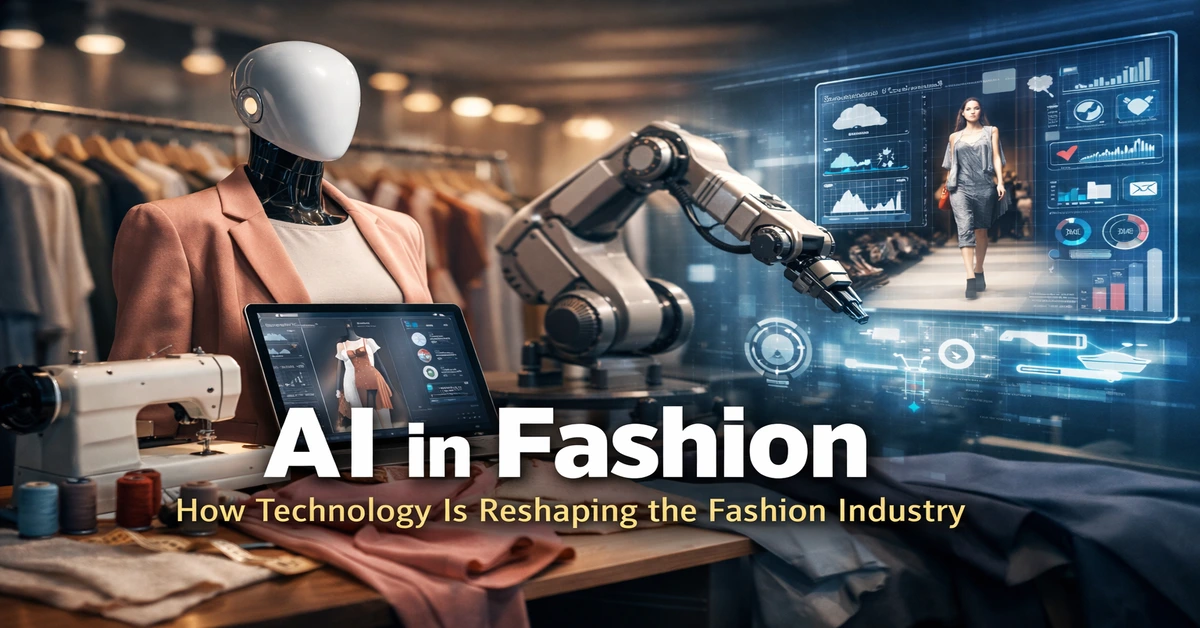
Fashion has never stood still from the earliest hand-stitched garments to the ready-to-wear explosion of the 20th century, style has always reflected the technology of its time. Today, we are living in a period where technology is reshaping not just how clothes are sold, but how they are designed, manufactured, personalized, and even imagined. This shift goes beyond aesthetics and convenience; it’s redefining entire business models. In this article I’ll break down how artificial intelligence (AI in fashion) is transforming one of the world’s most creative industries from the way trends are predicted to how clothes meet individual tastes with insights backed by the latest research and real-world examples.
What Does AI Mean for Fashion?
At the core, AI refers to algorithms and systems capable of learning from data and making decisions or generating outputs that traditionally required human intuition. In fashion, this spans everything from predicting the next big trend to recommending the perfect outfit for a customer’s unique style.
Statistically, we’re seeing rapid adoption: research shows that 72% of fashion retailers plan to increase their AI investments over the next two years, and AI in fashion retail is forecasted to grow at a compound annual growth rate of nearly 35% through 2030 as per ZipDo
Key Technologies and AI Applications in the Fashion Industry:
AI isn’t a single tool; it’s many technologies working together to solve real problems. The AI applications in the fashion industry refers to these diverse use cases that are turning concepts into measurable outcomes.
AI in Design and Creativity:
AI is no longer an assistant relegated to spreadsheets. Tools now help designers by analyzing trend data from social platforms and historical archives to suggest new print patterns, fabric combinations, and silhouettes. Designers can experiment with hundreds of generated concepts in the time it used to take to sketch just one.
For example, generative AI can analyze millions of past styles and produce fresh design alternatives that blend creativity with data-backed trend insights. This accelerates the design cycle and helps brands stay aligned with what consumers want next season.
Real world examples include platforms like DeepFashion AI, which designers use as a “copilot” to brainstorm and refine ideas faster without losing their unique creative voice.
Trend Forecasting:
Predicting what will be “in” next season used to involve travel, trend reports, and intuition. Today, AI fashion trend forecasting uses machine learning to scan massive amounts of runway photos, social media posts, and search patterns to spot emerging signals early.
These systems yield trends with over 80% accuracy far beyond traditional methods helping brands respond more quickly and confidently to shifting tastes.
Demand Forecasting and Supply Chain Insights:
For years, fashion brands have struggled with overstock and waste because predicting demand is tricky. Thanks to AI driven demand forecasting in fashion, brands can optimize inventory planning by analyzing historic sales patterns, seasonality, and local buying behavior.
This leads to smarter production, fewer markdowns, and better financial health. Industry data shows AI can reduce supply chain costs by about 12% and significantly decrease stock-outs.
How AI Is Used in Fashion Retail?
Retail is where most consumers first notice AI’s impact. When you shop online or in a store now, there’s a good chance you’re experiencing it firsthand.
Personalization and Customer Experience:
One of the most visible ways how AI is used in fashion is personalization. AI systems analyze browsing behavior, previous purchases, and style preferences to serve tailored product suggestions. In fact, 65% of consumers say they prefer personalized shopping experiences powered by AI.
Source: ZipDo
These personalized recommendations make shopping feel less overwhelming and more intuitive almost like having a personal stylist helping you choose the right pieces.
This concept aligns nicely with the way a well-curated wardrobe works. If you’ve read posts like this one on building your first capsule wardrobe, you’ll know how much easier it is when every item works with the rest.
Think of AI recommendations as a dynamic, digital version of that concept: it helps users curate outfits that genuinely work for them based on their history and preferences.
Virtual Try-Ons and Immersive Shopping:
Online shopping once sacrificed fit and confidence for convenience. AI has changed that with virtual try-on tools that let customers see how clothes might look on their own body.
These tools aren’t gimmicks: they can increase online purchase confidence by up to 70% as said by ZipDo
Chatbots and Customer Service:
AI-powered chatbots handle common questions, help with sizing, and guide customers through checkout, freeing teams to focus on complex interactions. Over half of fashion retailers now use chatbots to improve customer satisfaction and reduce response times.
AI Powered Fashion Personalization:
Personalization goes beyond recommending products. Smart systems analyze your browsing habits, body measurements, style queries, and even your social media behavior to craft fashion guidance that feels truly bespoke.
Brands that implement AI powered fashion personalization often see more repeat purchases, as personalized interactions foster stronger customer loyalty.
AI Tools Used by Fashion Brands Today:
The landscape of AI tools used by fashion brands is broad and growing. Some popular categories include:
Artificial intelligence platforms for demand forecasting and inventory optimization. Visual search tools that let customers upload an image and find similar products. Virtual fitting room software that creates digital try-on experiences. Machine learning engines that analyze social data for trend insights. Brand teams combine multiple tools to match their goals, whether that’s improving conversion rates or cutting waste.
Many small and medium brands plug into solutions built by tech giants like Google or Microsoft, while larger fashion houses invest in bespoke AI systems tailored to their needs.
Real Examples: How AI Is Working Today
A illustration of how AI in fashion retail actually plays out comes from European retailer Zalando, which uses AI to accelerate marketing campaigns and cut production costs by generating campaign images faster. The approach boosted responsiveness and engagement, even if human creative talent still plays a central role in crafting brand narratives.
Source: (Reuters)
Meanwhile, in casual conversation across industry forums, professionals note that modern Product Lifecycle Management (PLM) tools powered by AI remove tasks from designers and product managers, boosting efficiency and collaboration.
The Future of Fashion Industry With AI:
Looking ahead, the future of the fashion industry with AI is poised to be both exciting and complex. We’ll likely see:
More seamless integration of data and design so that creativity and analytics reinforce each other. AI systems that understand not just trends, but cultural context and sustainability priorities. Greater use of virtual and augmented reality to make online shopping richer.
In many ways, future trends reflect how people already dress: choosing fewer, smarter pieces that still feel personal. That’s similar to the idea behind capsule wardrobes.
Challenges and Ethical Considerations:
When talking about a transformative force like AI, it’s important to acknowledge challenges too. Many brands report high implementation costs and a shortage of skilled talent to manage sophisticated AI systems.
There are conversations about data privacy, the risk of homogenizing style, and how to strike the right balance between automation and human creativity. As technology evolves, so will industry standards and regulatory frameworks that help ensure ethical and sustainable use of AI.
Conclusion: AI in Fashion Is Changing How Fashion Operates
AI is not a future trend in fashion; it’s already here, shaping how clothes are designed, stocked, marketed, and worn. From hyper-personalized recommendations to more accurate trend forecasting and virtual try-ons that reduce hesitation, the influence of AI in fashion continues to grow each year.
We’re witnessing a shift from instinct-driven decision-making to data-informed creativity and the brands that master this balance will be the ones that thrive.
FAQs:
A: AI in fashion refers to the use of artificial intelligence to analyze data, automate processes, and improve decisions across design, manufacturing, retail, and customer experience.
A: Many people ask how AI is used in fashion, and the answer covers multiple areas. Brands use AI for trend forecasting, demand prediction, personalized recommendations, virtual try-ons, and supply chain optimization, making fashion faster and more data driven.
A: The most common AI applications in the fashion industry include trend forecasting, product recommendations, inventory management, visual search, virtual fitting rooms, and customer service chatbots.
A: AI fashion trend forecasting works by analyzing large datasets from social media, search behavior, runway shows, and past sales. Machine learning models identify early patterns that indicate upcoming fashion trends with higher accuracy than traditional methods.
A: AI powered fashion personalization uses customer data such as browsing history, body measurements, and style preferences to deliver tailored product recommendations.